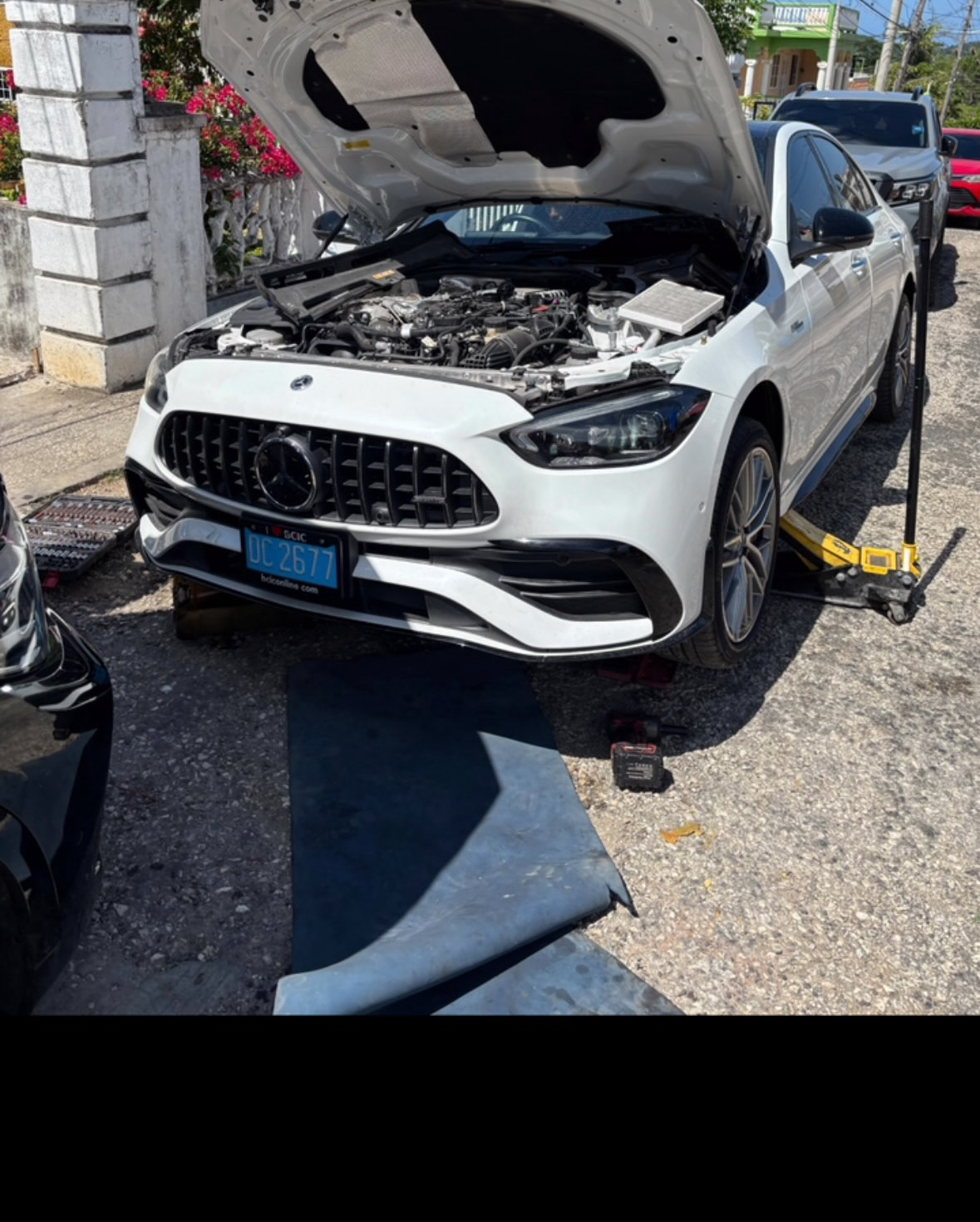
European vehicles run dozens of networked control modules. Diagnosing them properly means brand-capable scan tools that can read every module (not just the engine), live data, guided tests and a technician who knows what is normal for that platform. We confirm the cause before we recommend a repair.
What European diagnostics involve
Modern BMW, Mercedes-Benz, Audi, Volkswagen, Porsche, Land Rover, Jaguar and Volvo models carry anywhere from 30 to 100+ electronic control units talking over several networks. A fault in one system often shows up as a symptom in another: a tired battery can throw transmission and steering warnings; a small vacuum leak can look like a misfire.
Proper diagnostics therefore starts with a full-vehicle scan that reads every module, not only the engine computer. We look at stored, pending and historic codes, freeze-frame data, and the live data streams that show what the sensors are actually reporting. Only then do we test the suspect circuit or component to confirm it.
Why proper diagnostics matter on a European car
Parts for European vehicles cost more in Jamaica than for most Japanese makes, and lead times can be long. Replacing a component on a hunch, then discovering the fault is still there, is an expensive way to learn. A confirmed diagnosis means you order the right part once.
European manufacturers also use brand-specific procedures: adaptations, coding and resets that a generic tool cannot perform. Fitting a new battery, brake pads with wear sensors, or a throttle body on many of these cars is only half the job if the vehicle is not told about it.
Common warning signs
- Check engine / engine management light
- ABS, DSC, ESP or traction-control warnings
- Airbag / SRS warning
- Transmission or "drivetrain malfunction" messages
- Battery, charging or "electrical consumer" warnings
- Rough idle, hesitation, misfires or loss of power
- Limp mode or reduced-power mode
- Poor fuel economy without an obvious cause
- Intermittent electrical faults: windows, lights, locks, infotainment
- Starting problems, especially on hot days
What the technician investigates
The scan tells us where to look. The technician then tests: wiring and connectors for heat and corrosion damage (common in our climate), sensor readings against manufacturer specification, fuel and ignition delivery, intake and vacuum integrity, battery and charging condition, and network communication between modules. On European cars we always check software-related causes before condemning hardware.
What to expect
Tell us the make, model, approximate year and what the car is doing. We will tell you what the diagnostic covers and how long we need the vehicle. Once we have a confirmed cause, we explain it in plain language, show you the evidence where we can, and give you a repair estimate before any work starts. You decide what happens next.
Questions about european car diagnostics
Do you have the right tools for my BMW / Mercedes / Audi?
We use brand-capable diagnostic tools that read and test the full set of control modules on the European makes we service, not only the engine. Tell us your make and model on WhatsApp and we will confirm before you bring the car in.
Can't I just clear the code?
You can, but the fault that set it is still there and the code will return. Clearing codes also erases the freeze-frame data that helps us find the cause. If a light comes on, note when it happened and let us read it before it is cleared.
How long does a European diagnostic take?
A full-vehicle scan and initial assessment is usually done within the same visit. Intermittent faults, wiring problems and issues that only appear when the car is hot may need the vehicle for longer. We will tell you up front.