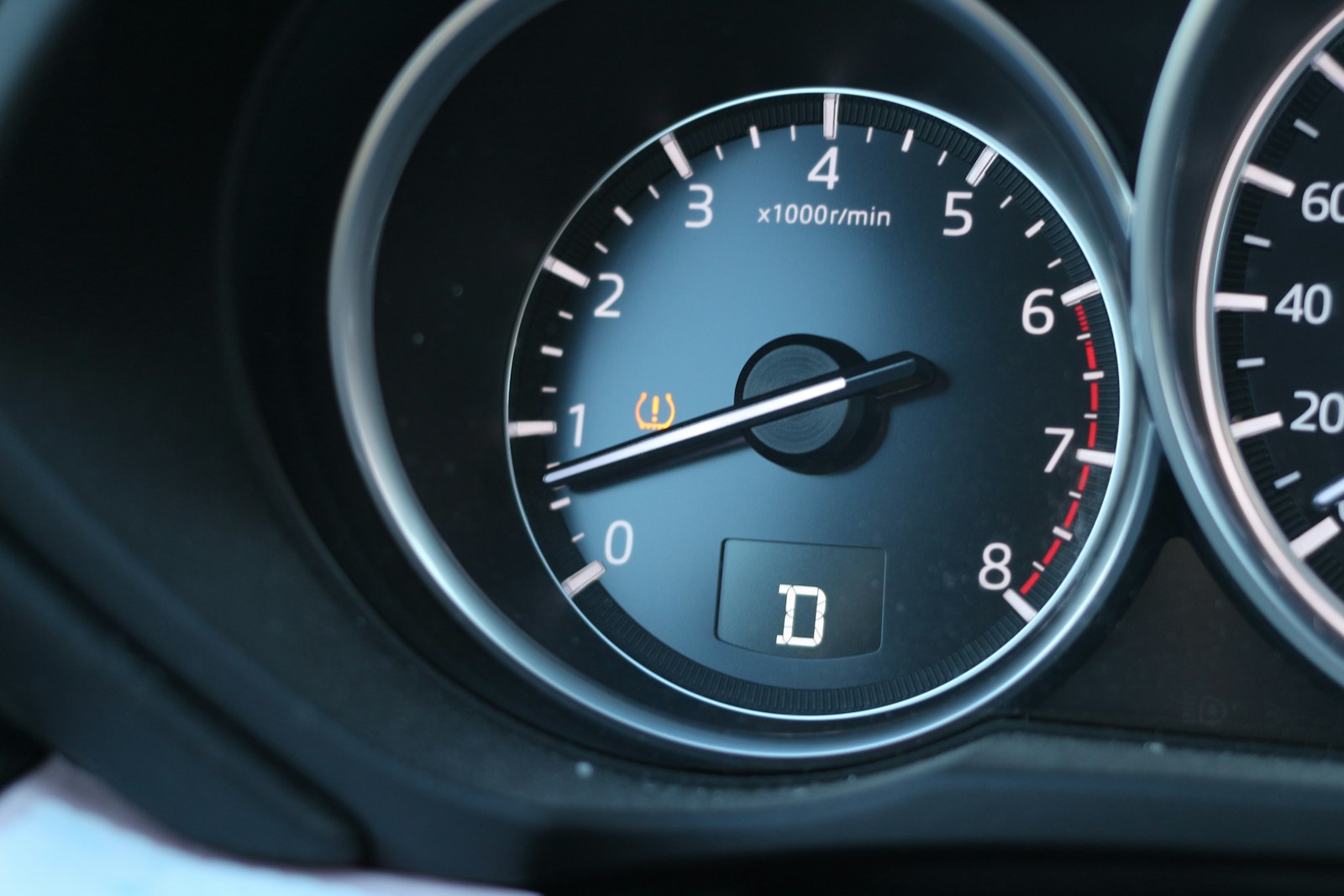
Computer diagnostics connects a scan tool to your car to read fault codes and live sensor data from every control module. The codes point to a system; the technician then tests components and wiring to confirm the actual cause. A proper diagnostic ends with a confirmed fault, evidence, and a written estimate, not a list of codes and a guess.
Why warning lights matter
A warning light is the car telling you a measured value is outside what the manufacturer expects. Some are routine. Some, like oil pressure, engine temperature, brake and a flashing check engine light, mean stop now. Ignoring a steady light for months usually converts a small repair into a large one, and on European vehicles the large ones are expensive.
European diagnostic expertise
European vehicles run dozens of networked control modules. Diagnosing them properly means brand-capable scan tools that can read every module (not just the engine), live data, guided tests and a technician who knows what is normal for that platform. We confirm the cause before we recommend a repair.
Read about European car diagnostics
Common diagnostic problems we see
- Check engine light: sensors, misfires, evaporative leaks, catalyst codes
- Multiple warnings at once on a European car: usually battery or a single sensor
- Limp mode / reduced power: boost, transmission or throttle faults
- Intermittent electrical faults: connectors, earths, corrosion
- Starting problems: battery, starter, immobiliser, fuel delivery
- Rough idle and hesitation: ignition, intake leaks, carbon build-up
- Transmission warnings: fluid, sensors, mechatronics, software
- Air-suspension and chassis warnings on Range Rover, Mercedes, Audi, Porsche
What to bring
The car with the fault present (please do not clear the codes), a note of when the symptom happens (cold, hot, in traffic, at speed, in rain, with the AC on), and any recent repair history. A short video of a noise, sent on WhatsApp, often helps.
What happens during the diagnostic
- Step 01
Full-module scan
Stored, pending and historic codes plus freeze-frame data from every control unit.
- Step 02
Physical testing
Live data, voltage drops, pressure and smoke tests, component measurements, road test if needed.
- Step 03
Cause confirmed
The fault is proven before any part is recommended.
- Step 04
Plain-language estimate
What is wrong, the evidence and a written estimate. You approve before work starts.
General diagnostics for other makes
A computer diagnostic reads the fault codes stored by your car's control modules and the live data from its sensors. The code points to a system; the technician's testing finds the actual cause. We do this for most major makes, not only European vehicles. More on general diagnostics
Diagnostics questions
What is a car diagnostic?
A scan tool is connected to the car's diagnostic port to read fault codes and live sensor data from its control modules. The technician then tests the suspect systems to confirm the cause before recommending a repair.
How long does a diagnostic take?
A full-module scan and initial assessment is usually completed within the visit. Intermittent or heat-related faults may need the car for longer, and we will say so up front.
Can you diagnose European cars properly?
Yes. We use brand-capable tools that read every module on BMW, Mercedes-Benz, Audi, Volkswagen, Porsche, Land Rover, Range Rover, Jaguar and Volvo, and perform coding, adaptations and resets.
What should I bring?
The car with the fault still present (do not clear the codes), a note of when the symptom happens, and any recent repair history.
What if you can't find the fault?
We tell you honestly what we tested, what we ruled out and how we propose to catch an intermittent fault. We do not recommend parts we have not confirmed.
Do you charge for diagnostics?
Diagnostic time is charged and confirmed on WhatsApp before you come in. If the repair goes ahead with us, ask how the diagnostic is treated.