Jamaica's heat shortens the life of batteries, cooling-system components, rubber and plastic parts and engine oil. Potholes and rough roads punish suspension, tyres and rims. Traffic and hills load brakes, transmissions and cooling. Salt air near the coast corrodes electrical connectors and underbody parts. Maintenance planned for these conditions keeps a car reliable here.
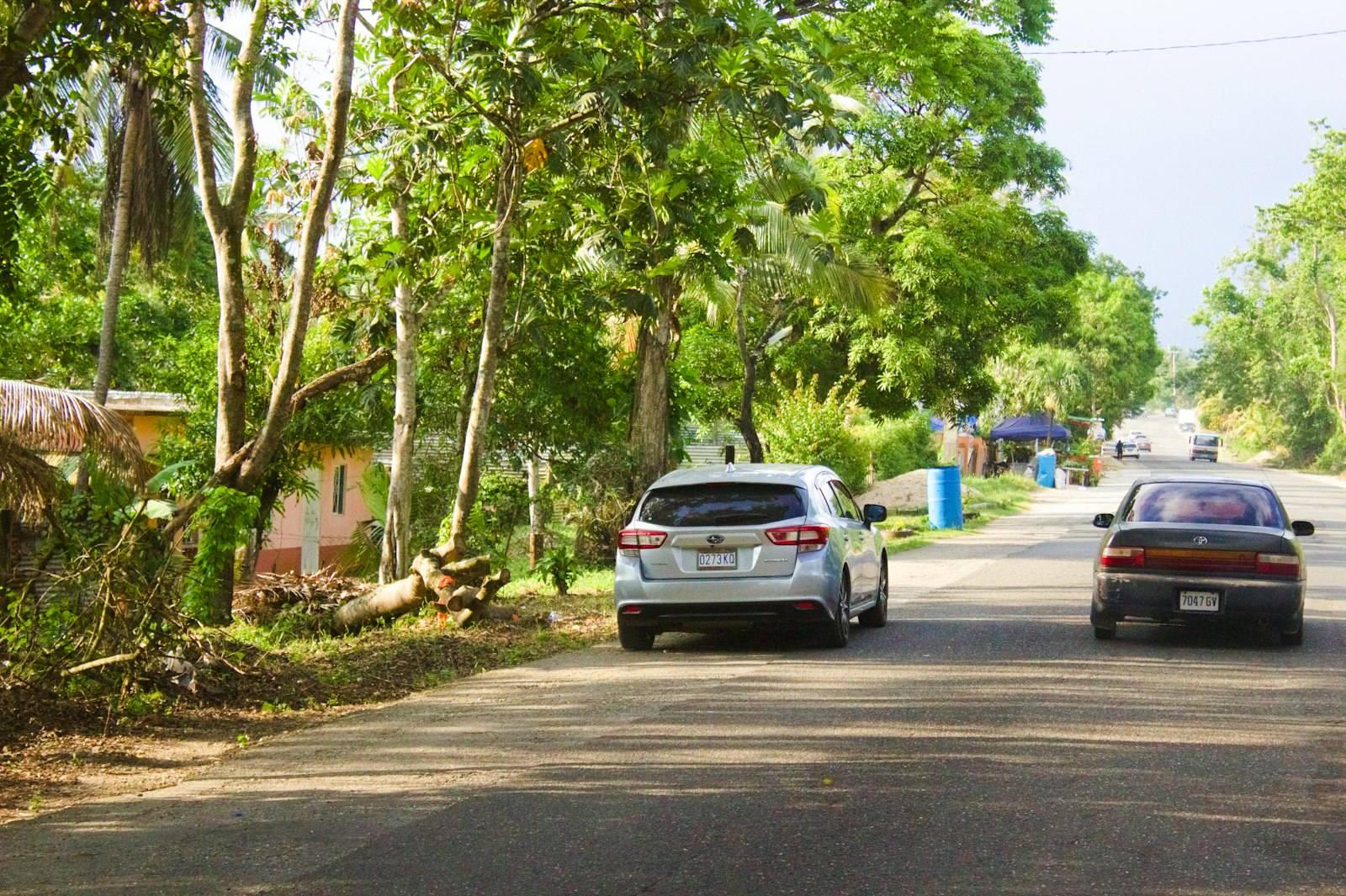 Stand-in photo
Heat
- Batteries: chemical ageing accelerates; expect three to four years.
- Cooling systems: plastic tanks, housings and hoses go brittle; pumps and fans work harder.
- Engine oil: thins and oxidises sooner; intervals should be shorter.
- Rubber: belts, hoses, bushes and tyres harden and crack.
- Air conditioning: runs at full load year-round; condensers, fans and compressors fail sooner.
- Interior electronics: heat-soaked dashboards stress screens and modules.
Roads
- Potholes: bent rims, tyre damage, knocked-out alignment, cracked control arms.
- Rough surfaces: bushes, ball joints, drop links and dampers wear faster.
- Hills: brakes and transmissions run hot; brake fluid must be fresh.
- Speed bumps and steep driveways: underbody damage and exhaust knocks on low cars.
Traffic and short trips
Engines that idle for hours in traffic accumulate wear the odometer does not show; short trips never fully warm the engine, which builds moisture and deposits in the oil. Both argue for time-based, not just distance-based, servicing.
Coast and humidity
Salt-laden air corrodes connectors, earth points, brake lines and underbody components. Electrical gremlins on cars that live near the sea are often corrosion. Rinsing the underbody occasionally and fixing corroded connectors early helps.
What to do
- Service on time or six-monthly, with the correct oil.
- Pressure-test the cooling system at the first sign of a leak.
- Test the battery from year two.
- Inspect suspension and alignment after a hard pothole hit.
- Keep brake fluid fresh: every two years.
- Have the AC checked before it fails, not after.
Questions
Are European cars worse in Jamaican conditions?
Not inherently; many were designed for hot climates too. They are less tolerant of neglect and wrong fluids, and their plastic cooling parts age in heat like everyone else's. Maintained properly, they do fine here.